Fishery News

Season notes, harvest timing and what is moving at the cages in Raoping, Guangdong.

Glazing and IQF: the two numbers buyers ask about first
10 9 月 2026

Glazing and IQF: the two numbers buyers ask about first

Glazing protects the fish from freezer burn, IQF keeps every piece separate. Together they decide how much usable product actually arrives at your port.

Read more

Glazing is the thin ice layer that coats a frozen fish. It guards the flesh against dehydration and freezer burn over the weeks between our cold store and your unloading bay. It is also weight that is not fish, which is why buyers ask for it as a percentage and why we state it on every offer rather than leaving it to the packing line.

IQF does the opposite job. Individually quick frozen means each piece freezes on its own, so nothing arrives as a solid block that has to be broken apart before it can be used. For whole round fish the choice usually comes down to how your own line handles it: bulk blocks for further processing, IQF for repacking or retail.

Neither figure is a quality claim on its own. What matters is that the number on the offer is the number in the carton.
The fishing ban ended on 16 August. Our cages never stopped.
18 8 月 2026

The fishing ban ended on 16 August. Our cages never stopped.

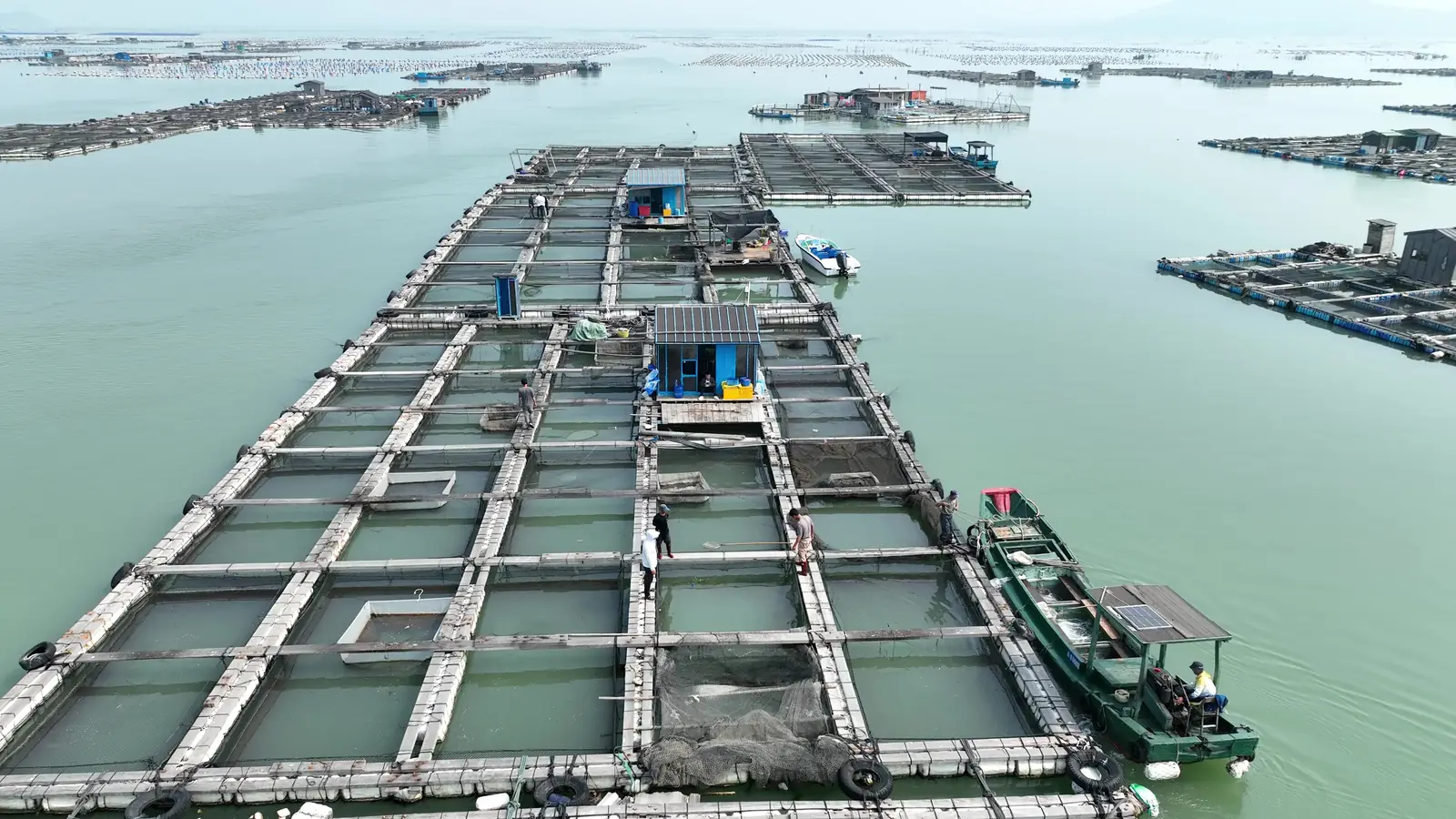
The summer moratorium closes the South China Sea to capture fishing for three and a half months. Every species we ship is cage-farmed, so our harvest calendar ran straight through it.

Read more

The annual moratorium runs from 1 May to 16 August across the South China Sea. For buyers sourcing wild-caught product this is the tightest stretch of the year: supply thins out, prices firm up, and allocations are decided months in advance.

Farming does not follow that calendar. Our fish are in the cages year-round, fed and graded on their own schedule, so a June harvest looks very much like an October harvest.

That difference matters most when it is least convenient, which is exactly when a steady supplier earns its place on your vendor list.

Typhoon season at the cages: what offshore farms do before a storm
6 7 月 2026

Typhoon season at the cages: what offshore farms do before a storm

Between July and September the South China Sea sends us a handful of storms. Offshore cages are built for that, provided the preparation is done early.

Read more

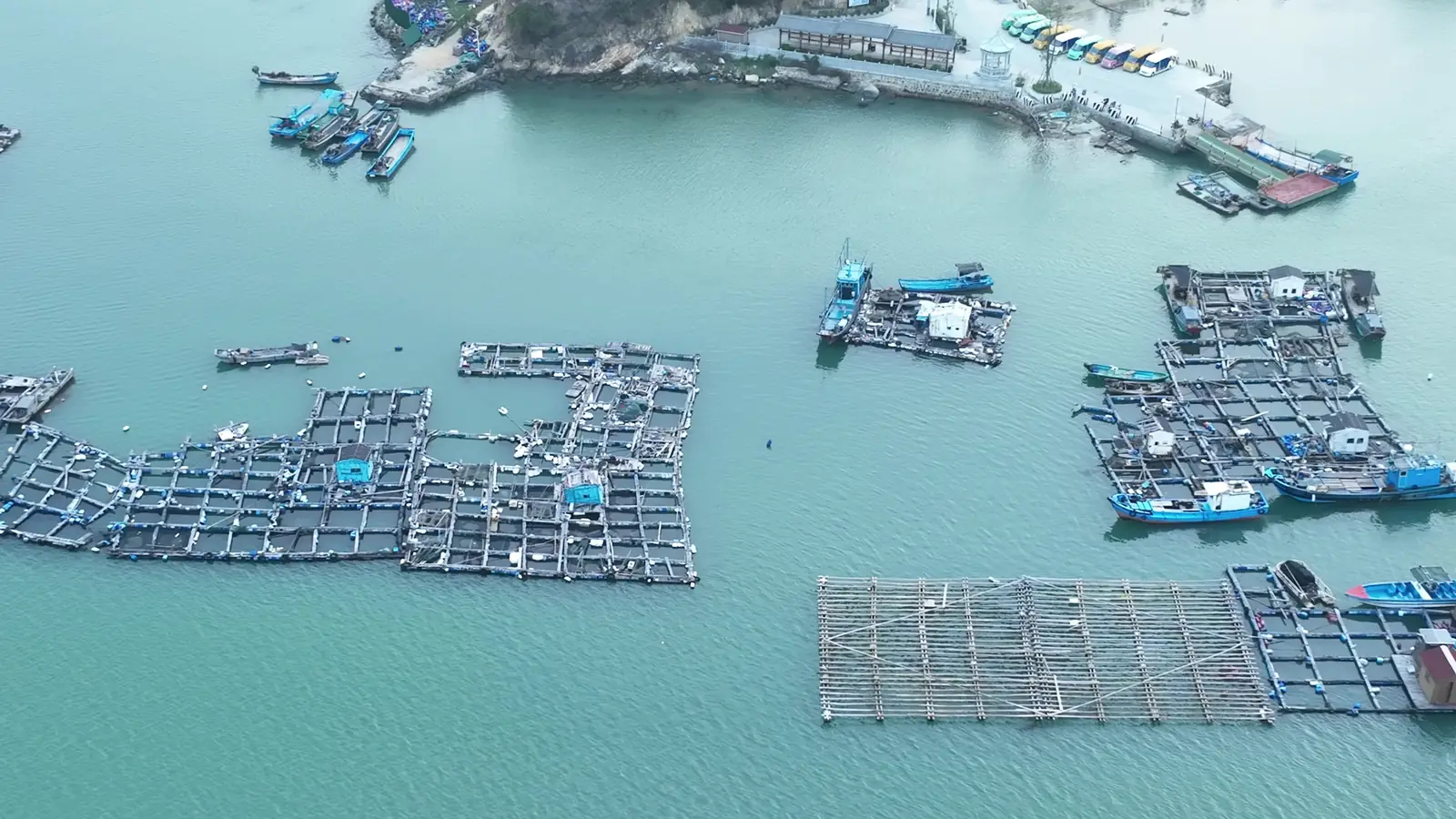
An offshore cage is engineered to ride out open-sea conditions. The mooring system, not the net, is what holds it in place. Ahead of a named storm we shorten the moorings, check every shackle and swivel, and bring feed stock ashore so nothing is left out on the water.

Where the size grade allows it, harvesting is moved forward. A fish taken a week early is a far smaller problem than a fish that cannot be landed at all.

We watch the same forecasts our buyers do. When a storm is going to affect a loading window, we say so before the container is booked, not after.

Stocking the new season: what goes into a cage before harvest
15 6 月 2026

Stocking the new season: what goes into a cage before harvest

Every fish we ship started as a fingerling graded by hand. What happens in the first weeks of a grow-out cycle decides the size grade you receive months later.

Read more

Fingerlings arrive at the cages weighing a few grams and are graded as they go in. Uniformity at stocking is what produces a uniform harvest: a cage that starts mixed stays mixed all the way to the processing line.

Stocking density is kept low on purpose. Fewer fish per cubic metre lets stronger currents move through the cage, and that is what gives the flesh its firmness.

From there it is time and feed. Our species run different cycles, so cages are stocked in batches through the season rather than all at once.

Looking for current prices?

Send us your target size, glazing rate and destination port, and we reply with price and lead time.

Request a Quote